Olympus Mju
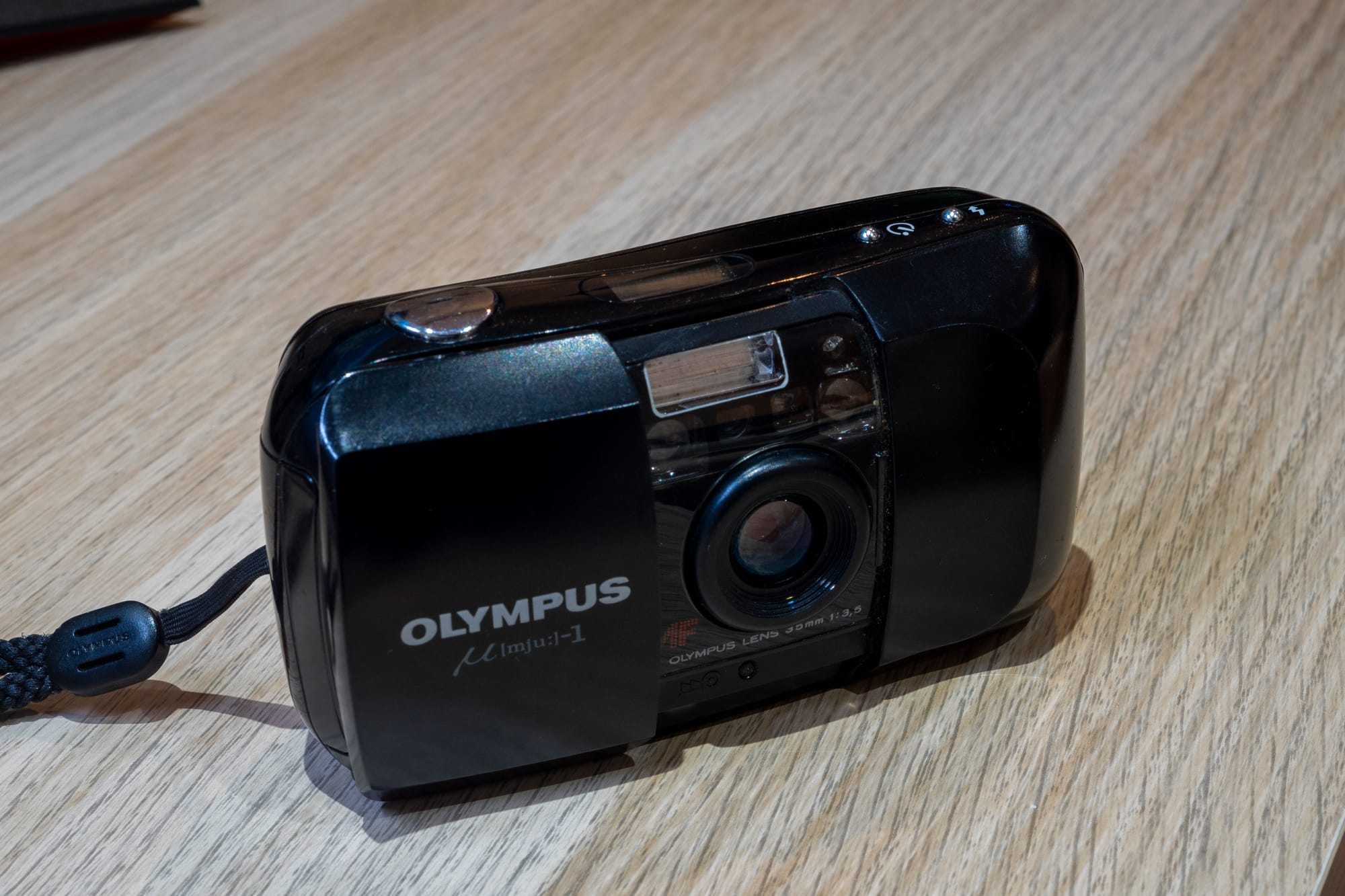
When I bought the Canon Prima Zoom 85N I got a broken Olympus Mju along with it (and that was partly why I got that Canon in the first place).
I was hoping it would be in working order and the seller was just unaware of how to use the camera properly. Sadly it ended up being more complicated than that. Once I received it I had to realise that the mechanism that moves the lens doesn't work anymore so if I wanted to use it I actually had to get my hands dirty and fix it.
It's a pretty common sentiment in the community to write off any point and shoot with any slight (usually) electronics related problems. Thankfully many problems are much more possible to fix than those people might think, you just have to be willing to work with some electronics.
Also, these problems are even simpler to solve if you have access to a donor camera. So I hopped on ebay and started to look for a non-working Olympus Mju that (very importantly) had to have a problem that was different to the one mine had.
I ended up purchasing one with a faulty winding mechanism for way more money than a broken point and shoot should cost, but sadly the fact that the Olympus Mju is a bit of an over-hyped camera was reflected in the pricing from all of the ebay sellers I came across.
I received the second specimen in almost one piece. The little film window was knocked loose and was rattling inside the camera, the little metal ball inside the sliding door mechanism was missing and (as described in the listing) the camera couldn't wind any film despite the motor's whirring making it obvious that it was trying as hard as it could.
At this point I disassembled both cameras to assess my situation and try to figure out which one should be the donor and which one should become the Ship of Theseus. I should mention here that during this whole project this video from the channel Graindead was a great resource (as well as being an entertaining watch) and I recommend anyone who tries to do something similar to watch it as well.
After realising that swapping the whole lens and focusing mechanism would be way more difficult (though not impossible) I decided to fix the second camera instead.
It turns out that the winding problem was caused by one of the plastic gears on the bottom of the camera being broken, thus disconnecting the film winder rollers from the motor. Sadly these plastic gears are pretty securely connected to a metal plate and that plate is soldered to the flexible PCB that spans the entire front part of the camera (I assume for grounding/shielding purposes?). After desoldering this plate from both cameras, swapping them and soldering it back (just in case, I'm not sure it's really necessary) I had the camera working just fine.
Reassembling these is a pain in the ass so I was hoping it would be worth it.
I also glued the little window back, then cannibalised the little metal ball from the other camera as well so all the little things were working smoothly. One other benefit of having a donor camera is you can just swap around the different components depending on which camera had that in better (visual) condition.
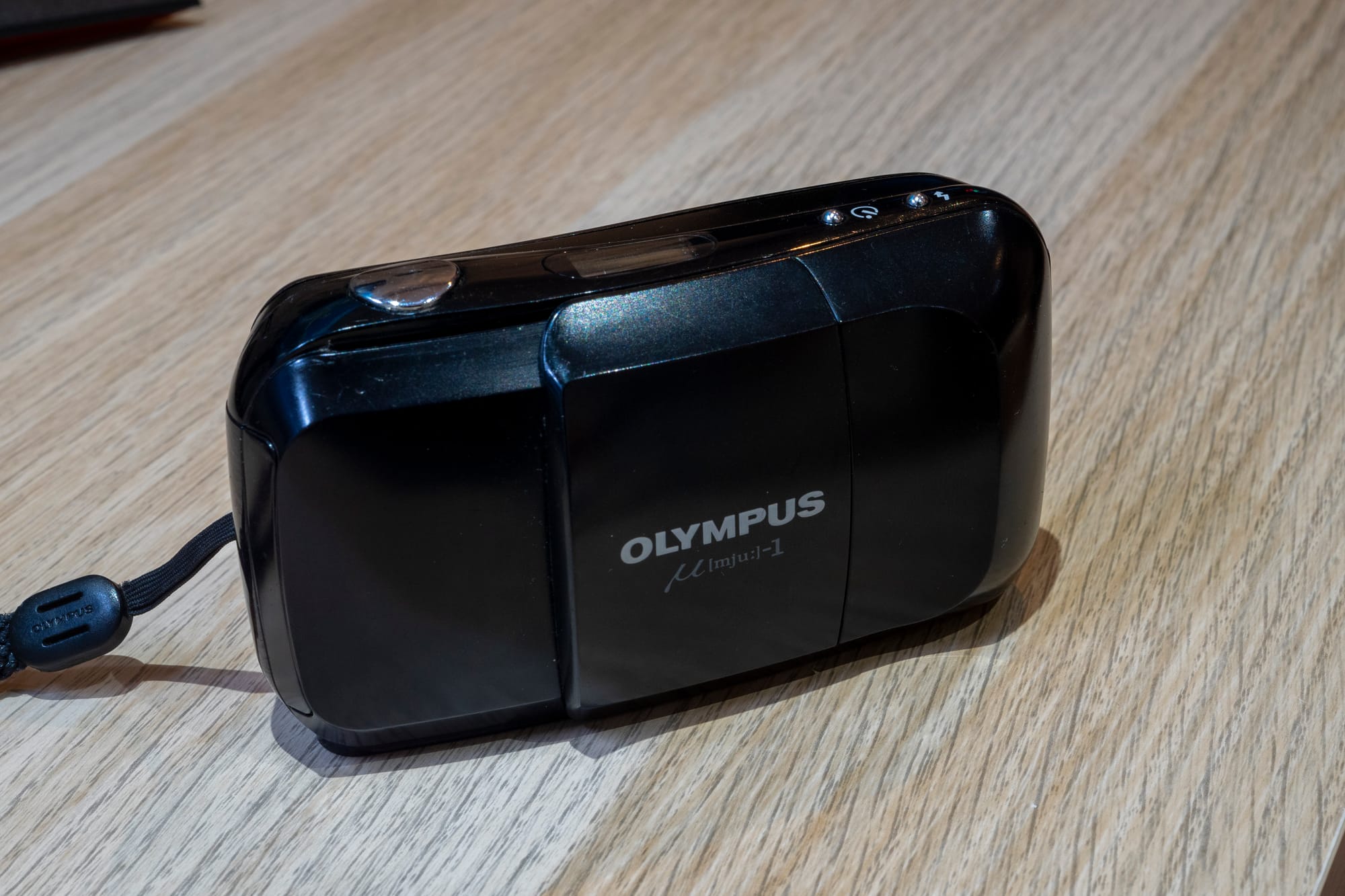
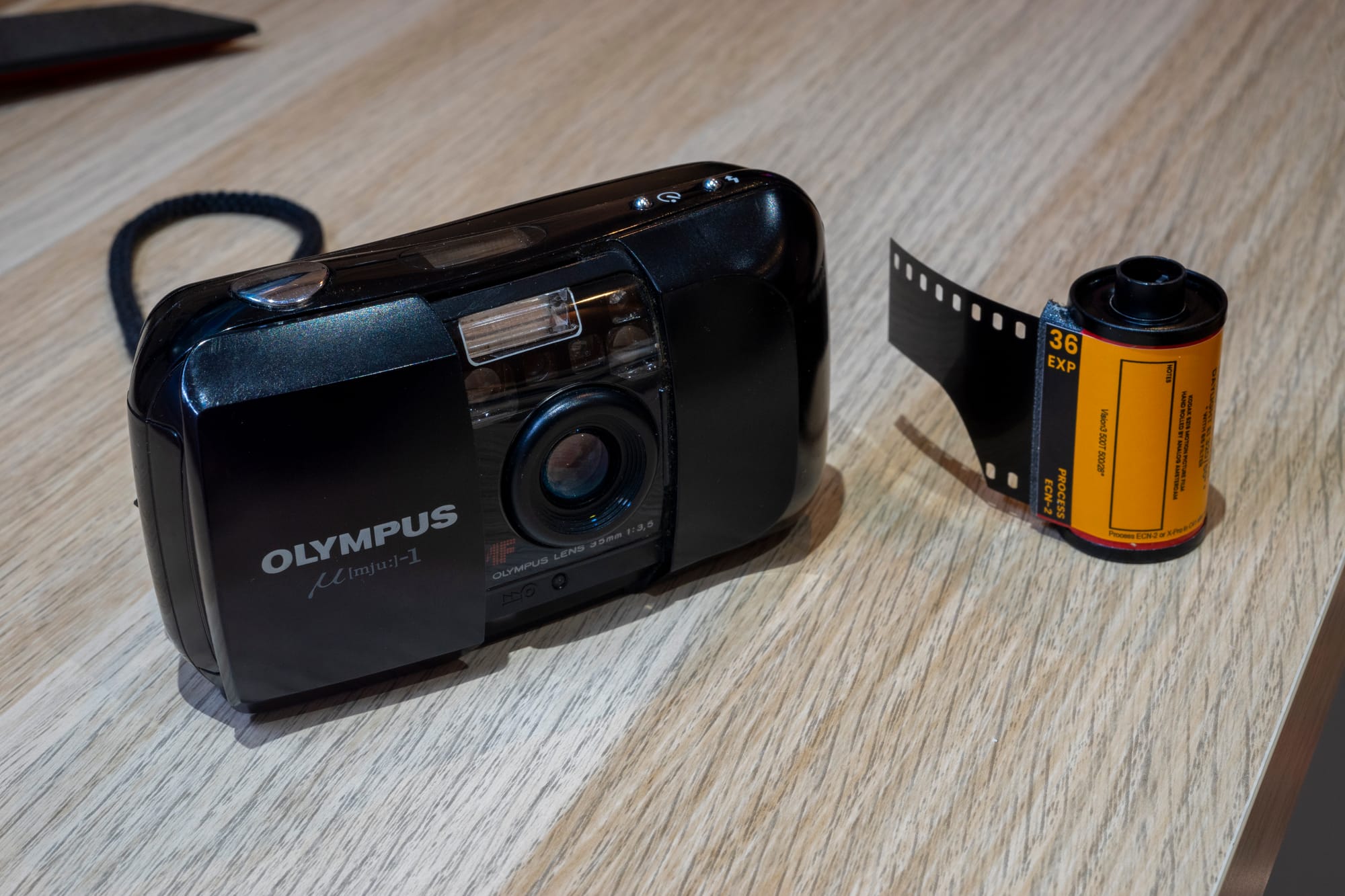
Since initially writing this article I had the chance to put a few rolls through it and I can happily report that it works (basically) flawlessly.
The flash is usually pretty slow to charge up and might not hold the charge as well as it should, so it probably needs a capacitor change, but I won't bother with that in the near future.
While I still think that the usual asking price for these is a bit much, I definitely understand the hype now. It's a very compact camera, which for my purpose is probably even more important than image quality. But thankfully even in that department it's holding up just fine. It has some heavy vignetting - a bit too much for my taste - especially when it needs to open up its aperture, but it gives nice and sharp results, especially when you give it a lot of light.
Also while 35mm is not a focal length I tend to use on my more serious cameras it's such a perfect walkaround focal length that is still usually wide enough for some casual snapshots during some social gatherings. So the fact that it has a prime lens with no zoom capability has not really bothered me, and it proved to be a good secondary camera, especially when I have some black and white loaded in my main one.
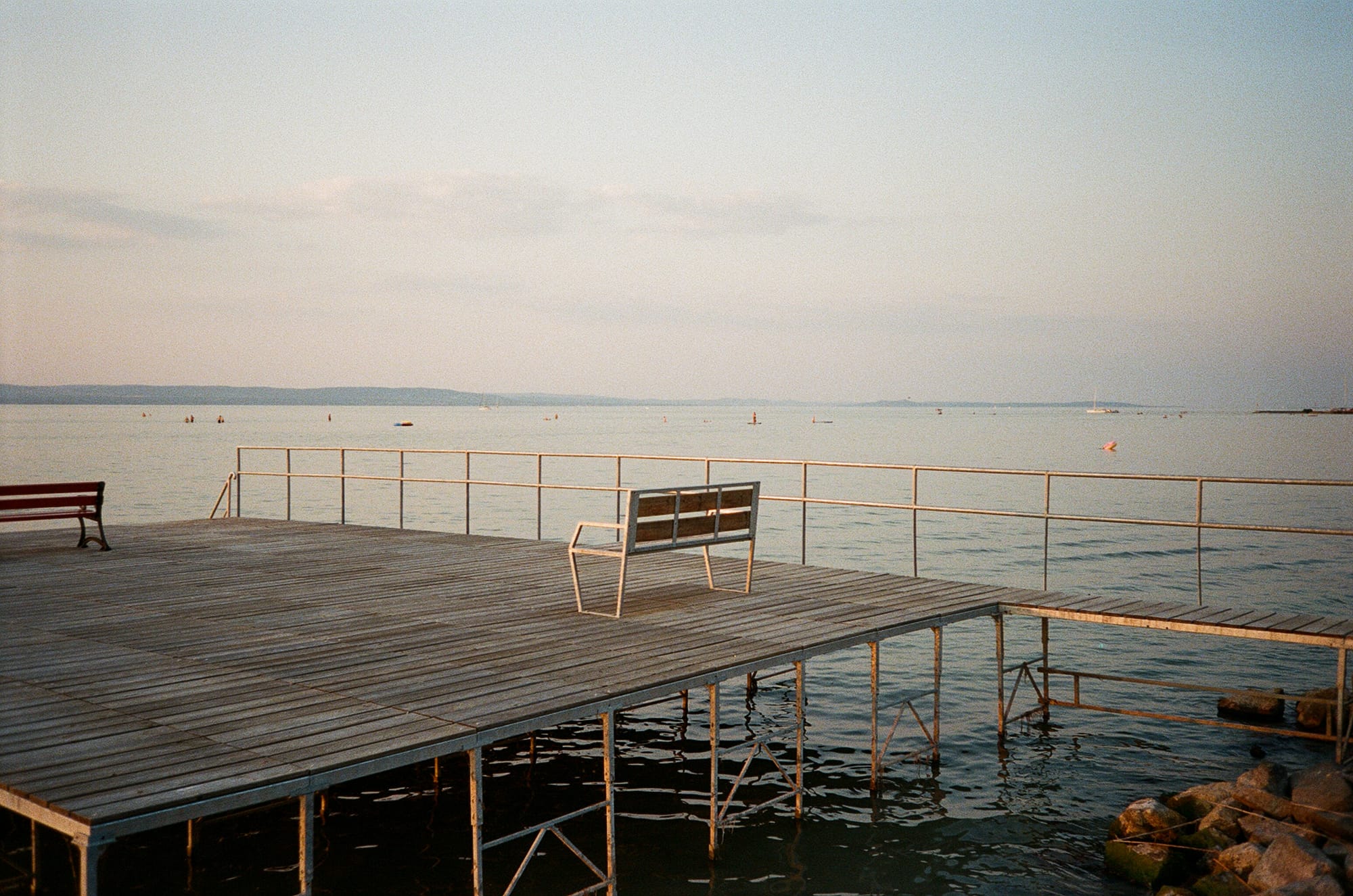
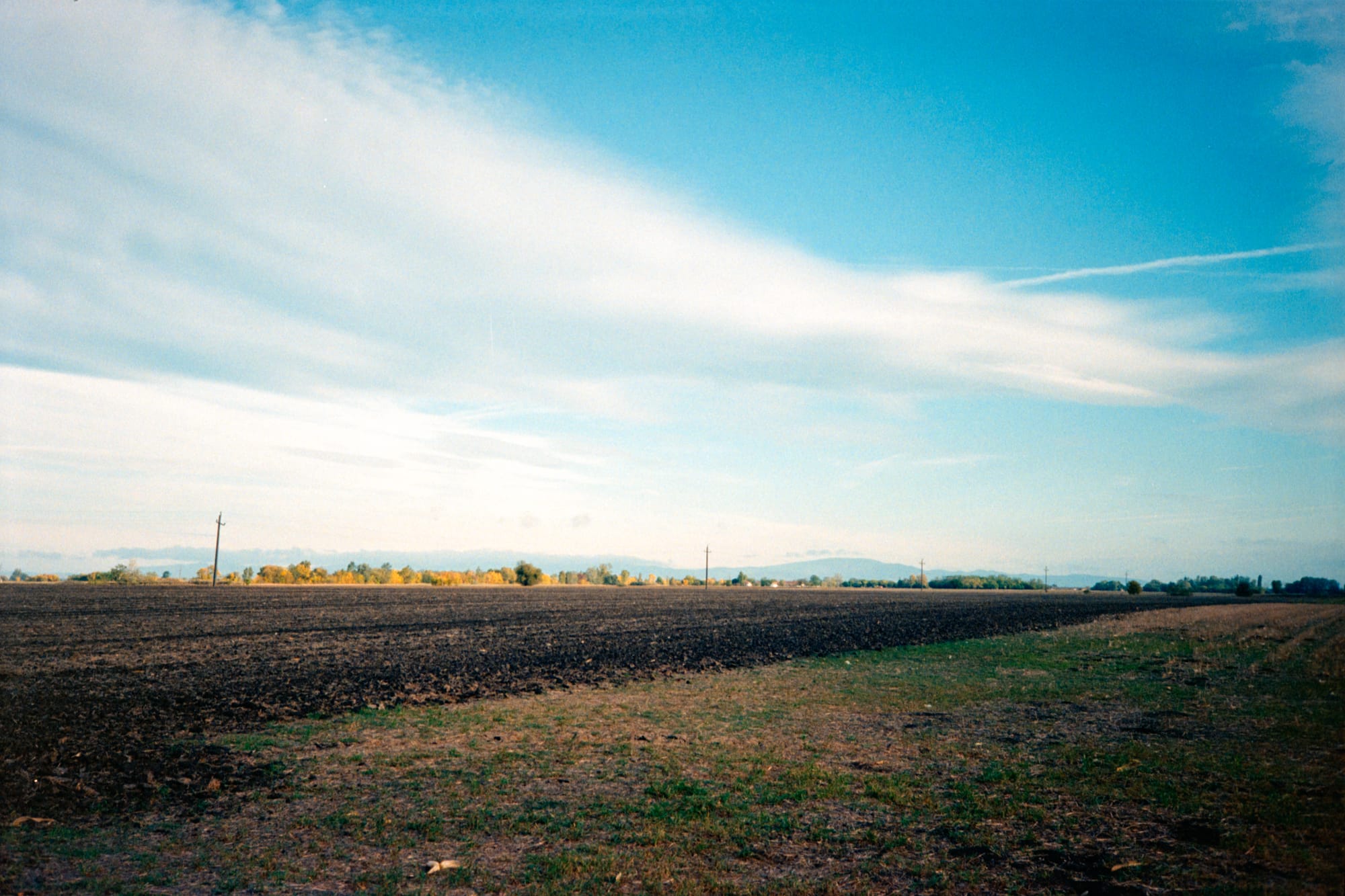
Both shot on Fuji 400
The autofocus seems perfectly accurate as well, though it's easy to forget how it only focuses with a narrow beam aimed at the center of the frame, so I've made plenty of blurry group photos with perfectly sharp backgrounds...
In conclusion I think the whole ordeal of frankensteining two non-working Olympus Mju-s to get a single working one was worth it, and it will probably continue to be my choice of an everyday carry camera. And while for my usecase it makes most sense to put faster - and thus grainier - color film in this one I should really put its sharpness to the test with some finer grain emulsions some day. And I've seen good results from others even with slide film, so it seems like even the light meter is accurate enough in this little machine.